Aldabra Atoll
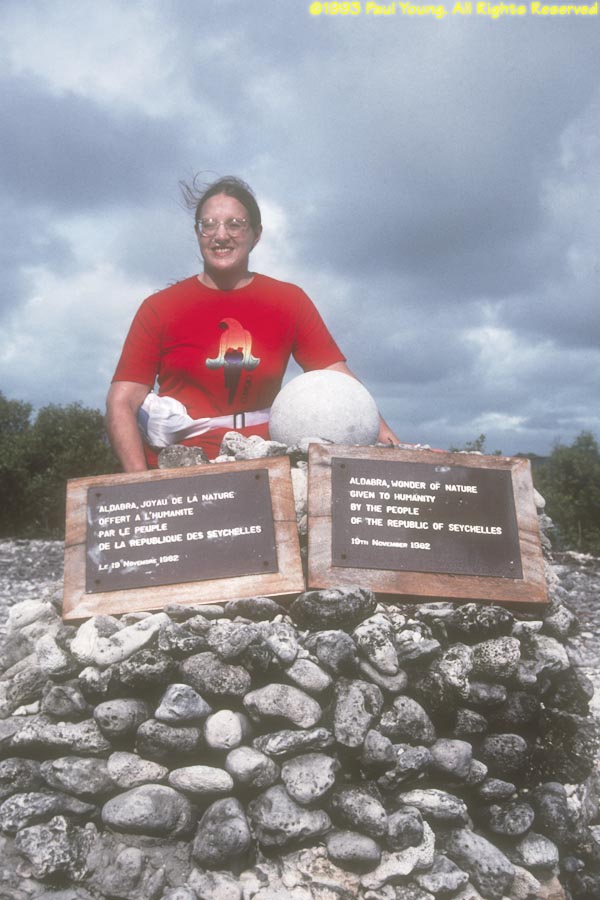
Aldabra, the "Galapagos of the Indian Ocean", was the focus of our second visit to the Seychelles. The atoll lies 622 miles southwest of Mahe, 400 miles east of Africa, and 260 miles northwest of Madagascar. Aldabra is the most remote and least touched of the islands of the Seychelles. Arab traders discovered the atoll in the 9th or 10th century. The name Aldabra is probably a corruption of the Arabic "Al Khadra" ("The Green"). It first appeared on a Portuguese map in 1509 as "Al Hadara".
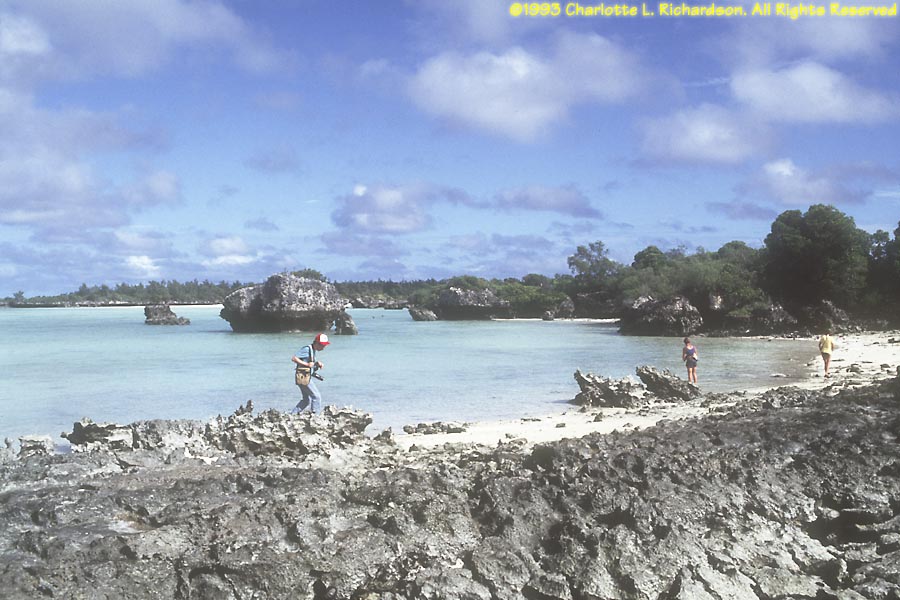
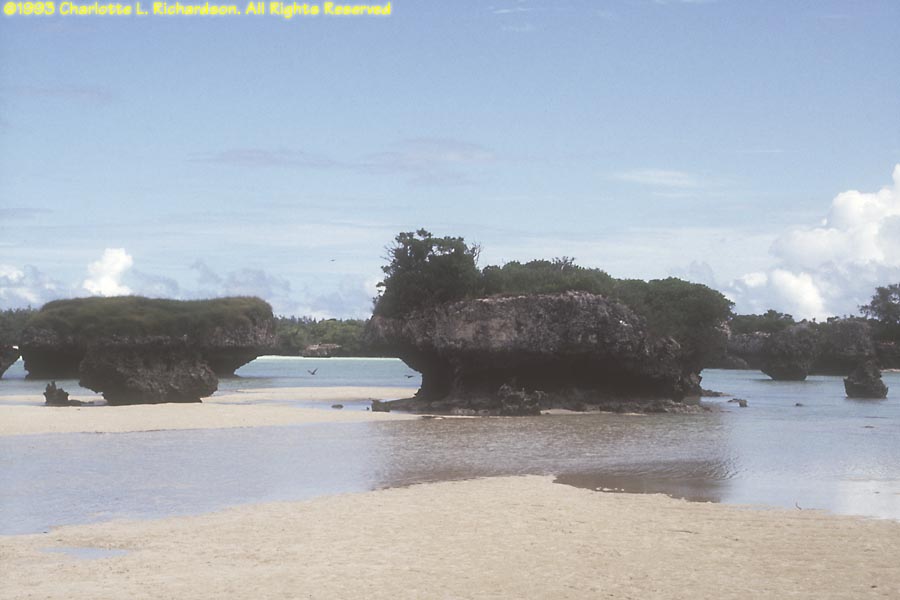
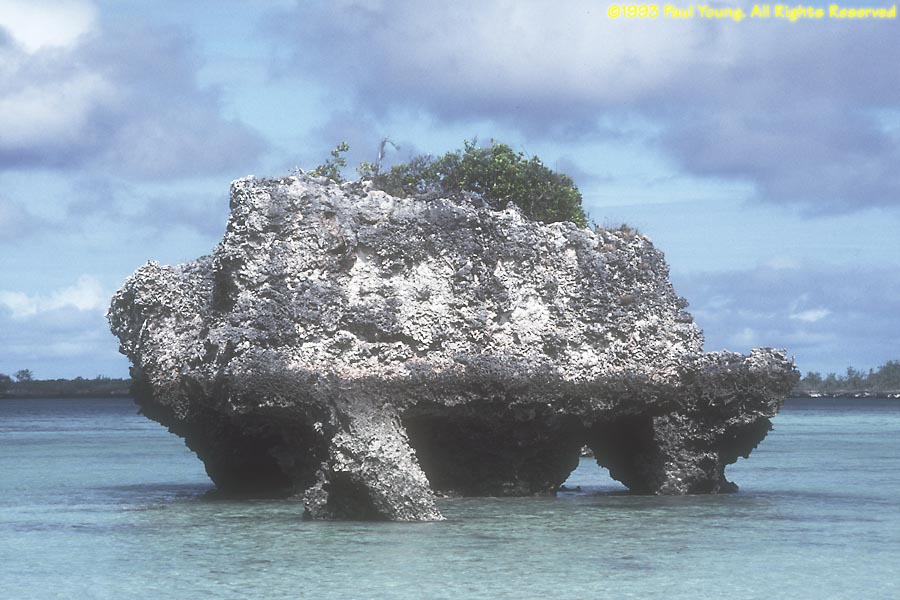
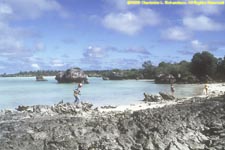
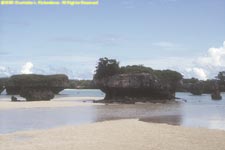
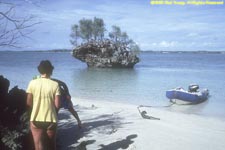
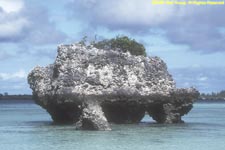
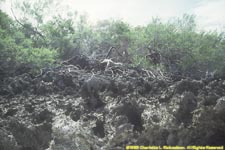
Aldabra is a raised limestone coral atoll. There are two distinct terraces at 13 feet and 27 feet above current sea level marking ancient sea levels. The total land area is 59 square miles. There are four main islands: Picard (West Island, home to a dozen or so research scientists), Polymnie, Malabar, and Grande Terre (South Island). The huge lagoon empties almost completely at low tide and fills to a depth of about three meters through four channels. The resulting currents are fierce; Jacques Cousteau's famous "Calypso" was nearly wrecked here. The island is rough, sharp uplifted limestone rock. The undercut islets in the lagoon are mushroom-shaped. The marine life is very rich.
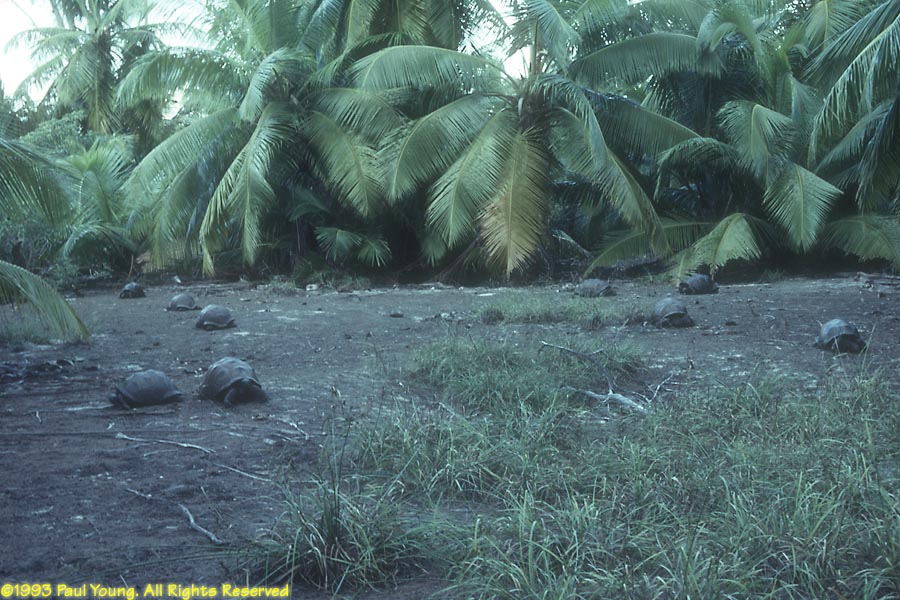
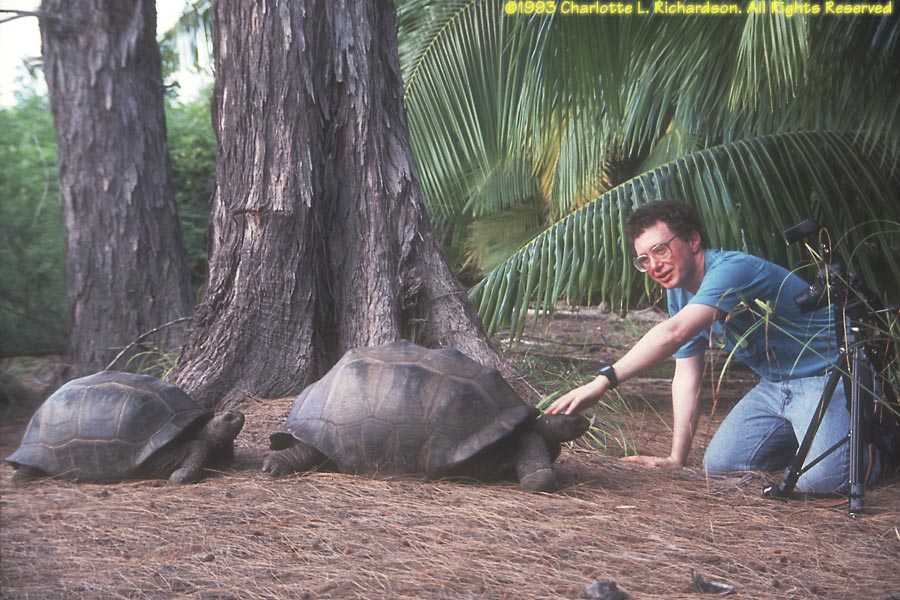
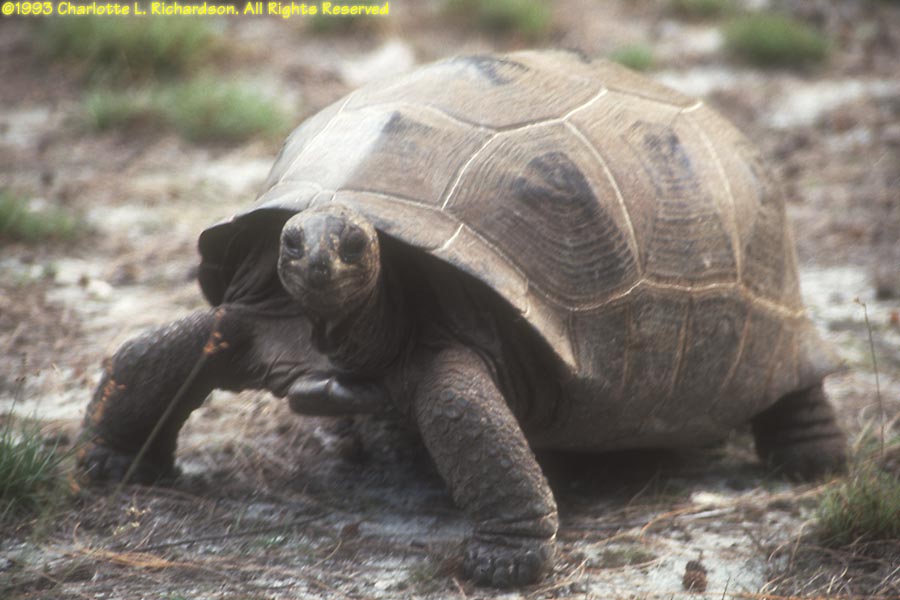
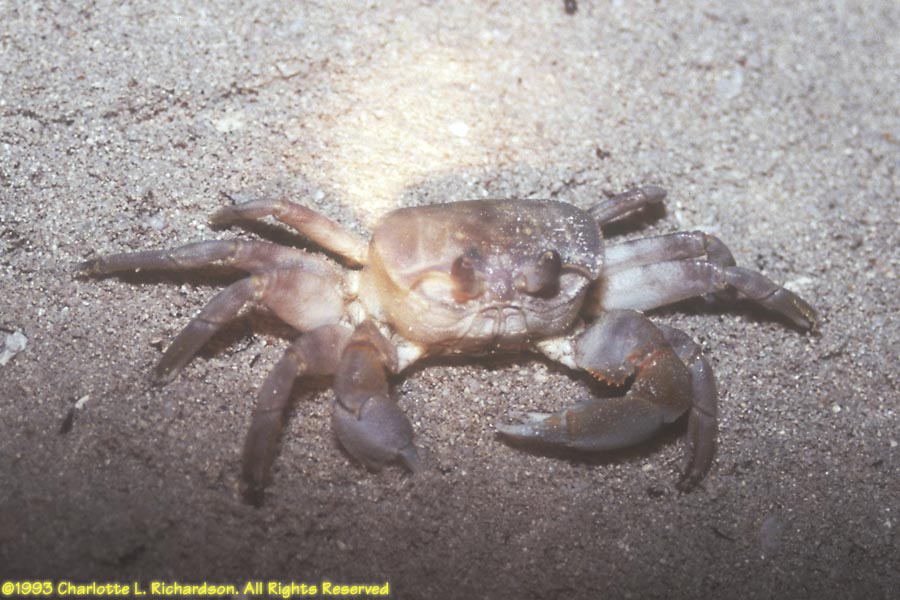
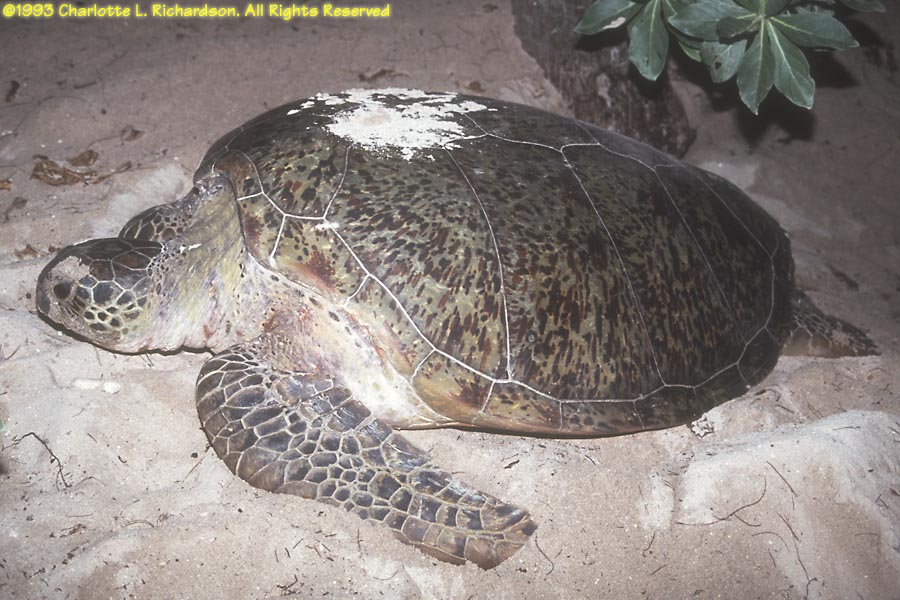
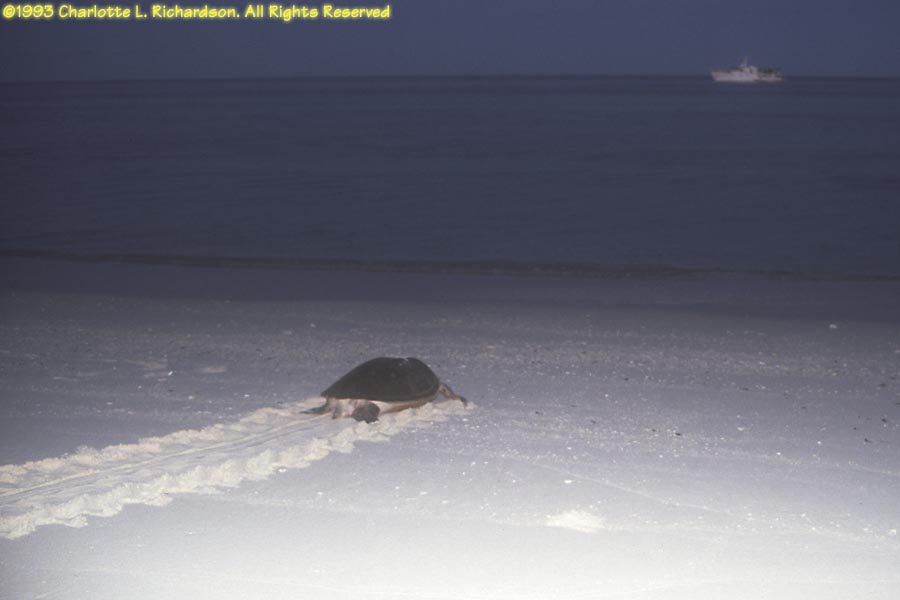
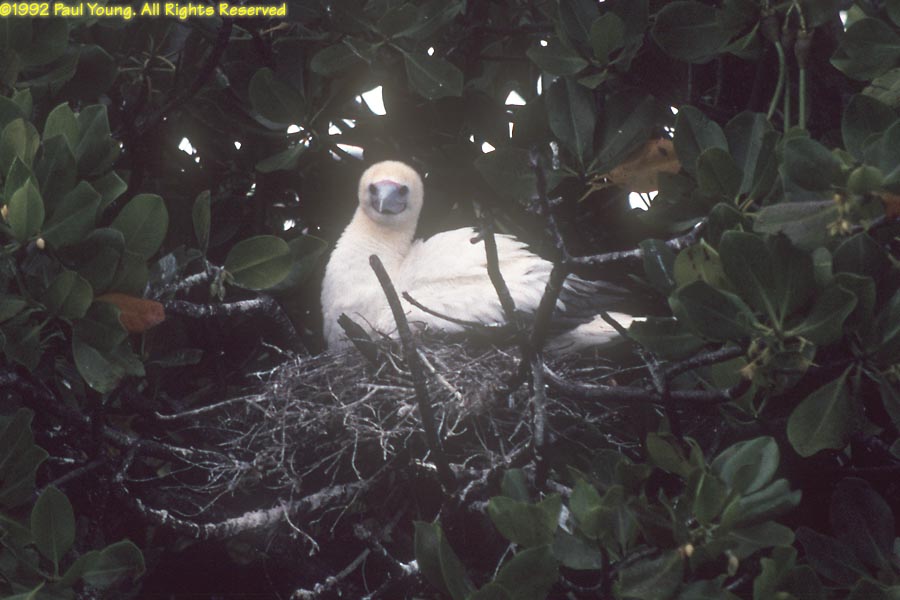
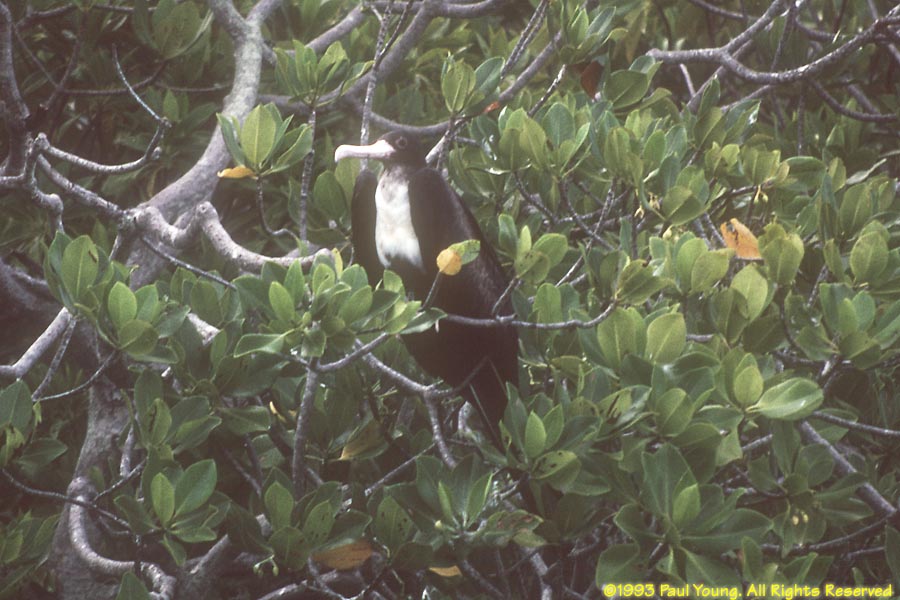
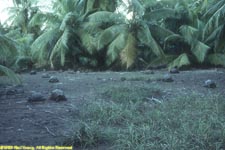
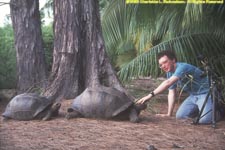
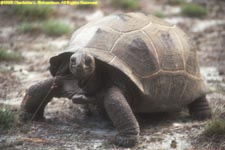
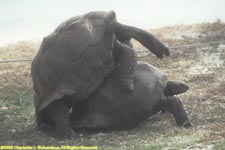
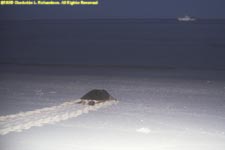
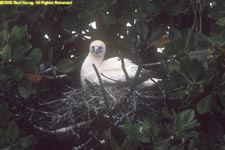
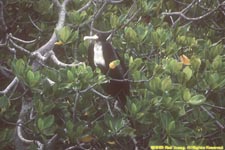
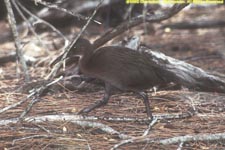
Aldabra is home to about 180,000 Aldabra giant tortoises, Aldabracholys gigantea, the only remaining place these animals are still found outside of the Galapagos Islands. The reptiles average about 110 pounds and live 65 to 90 years or longer. It is also a major green sea turtle, Chelonia mydas, nesting site. Coconut, or robber, crabs, Birgus latro, are common. The mangrove areas in the lagoon house huge frigate bird colonies. Aldabra is also home to the last remaining flightless bird of the Indian Ocean, the white-throated rail, Dryolimnas cuvieri aldabranus.
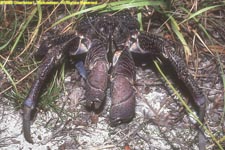
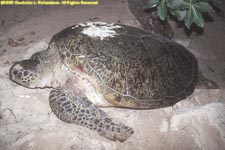
A joint British and American plan to build a military base and broadcasting station for the British Indian Ocean Territories (Aldabra, Desroches, Farquhar, and Diego Garcia) on Aldabra was finally thwarted in 1967, partially due to the influence of Jacques Cousteau (the base was built on Diego Garcia instead), and Aldabra was declared a Unesco World Heritage Site. It was opened to tourism in December, 1991.
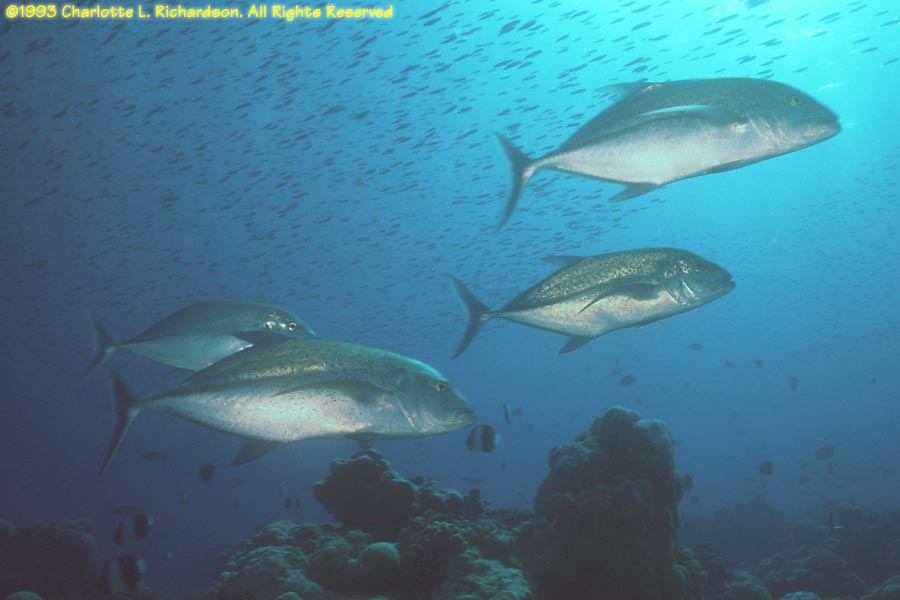
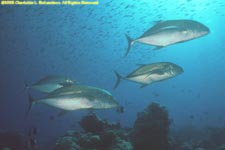
Bluefin trevally, Caranx melampygus
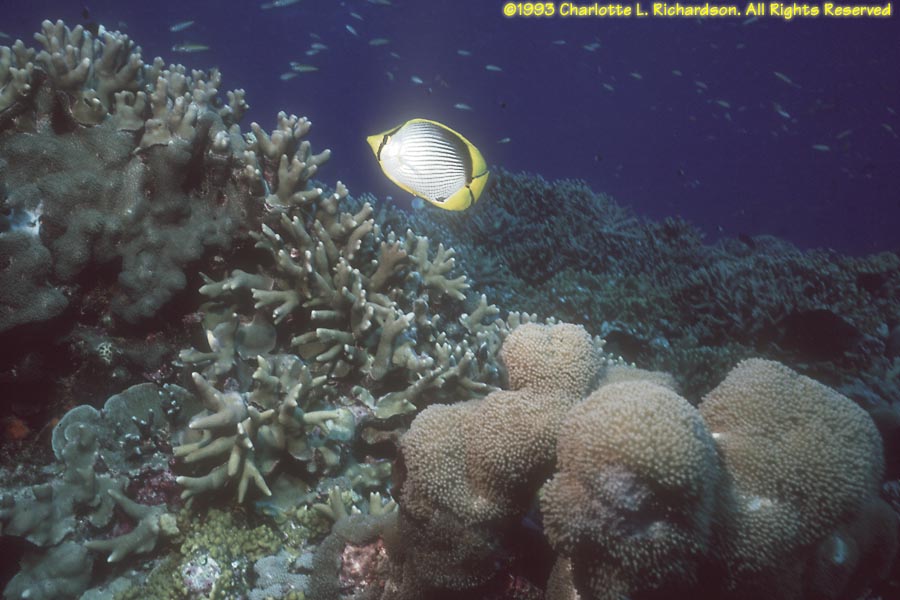
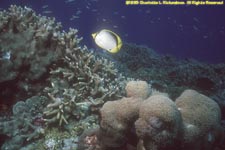
Black-backed butterflyfish, Chaetodon melannotus
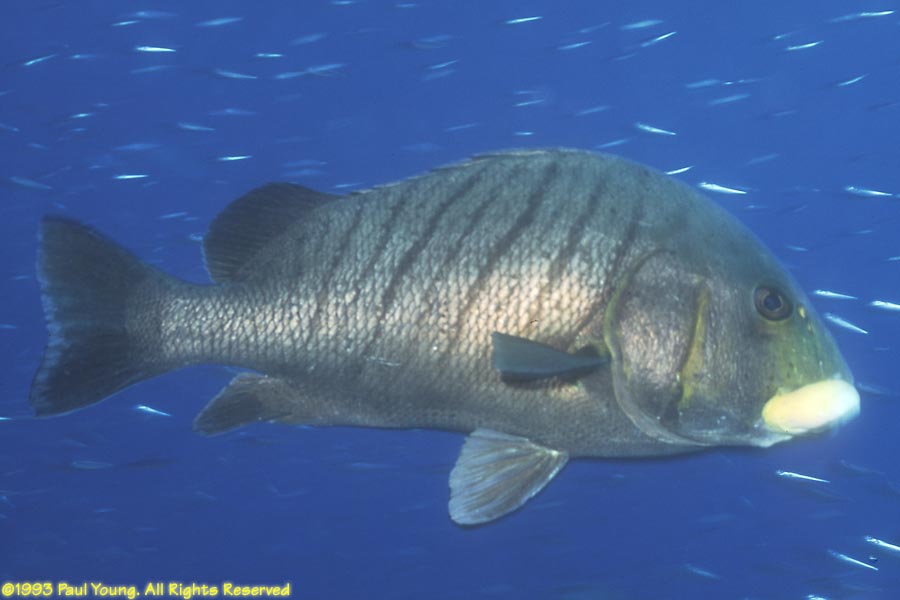
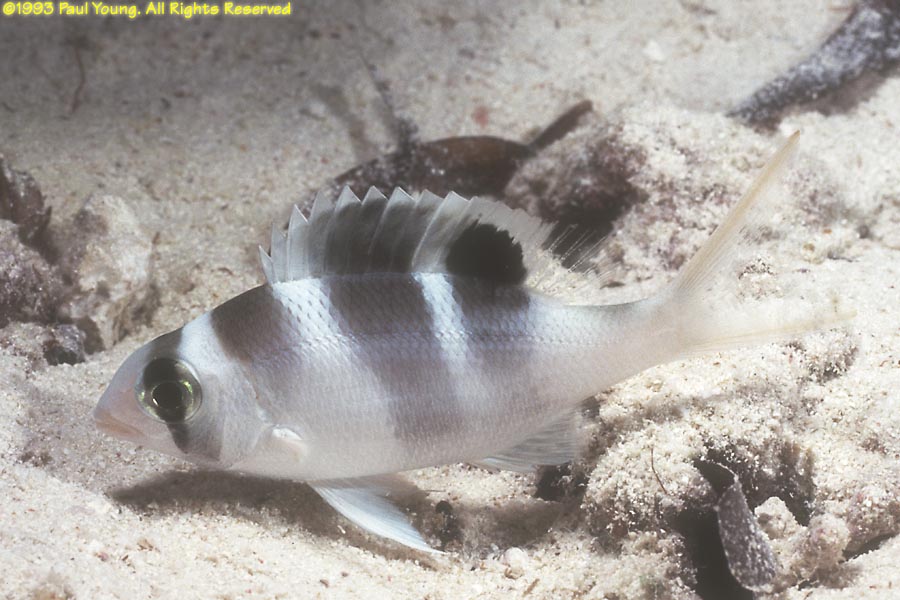
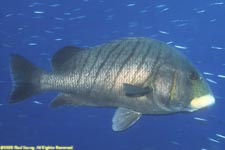
Sweetlips, Plectorhinchus cf playfairi
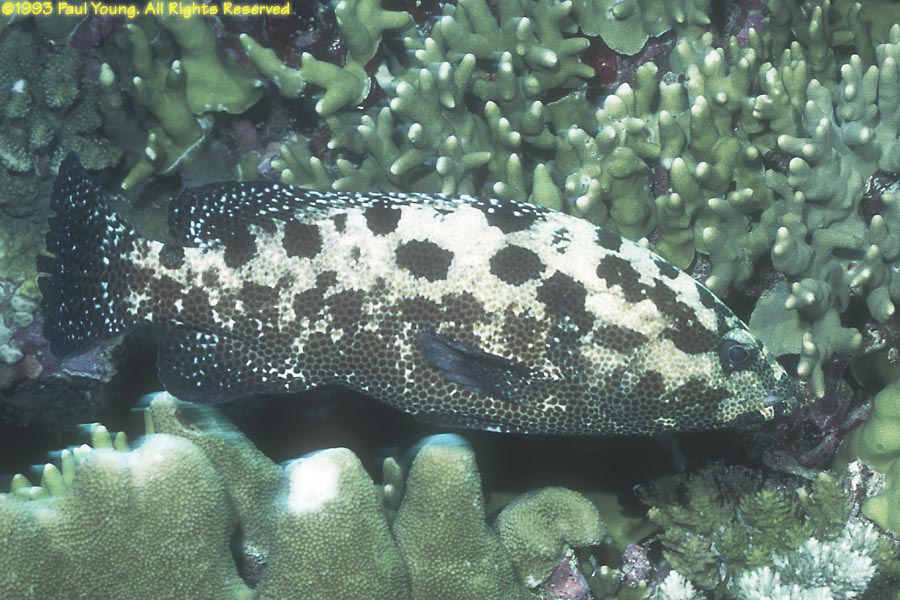
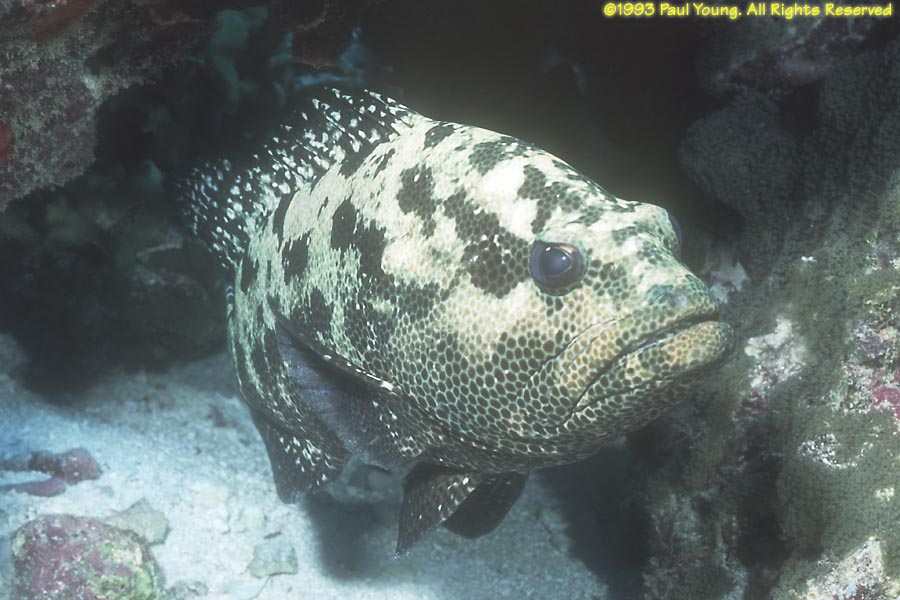
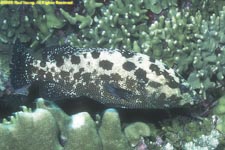
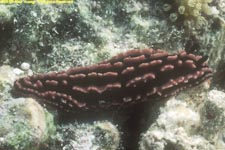
Brown-marbled grouper, Epinephelus fuscoguttatus
Marbled grouper, Epinephelus polyphekadion
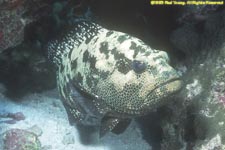
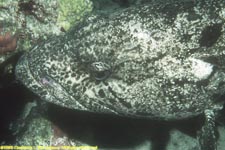
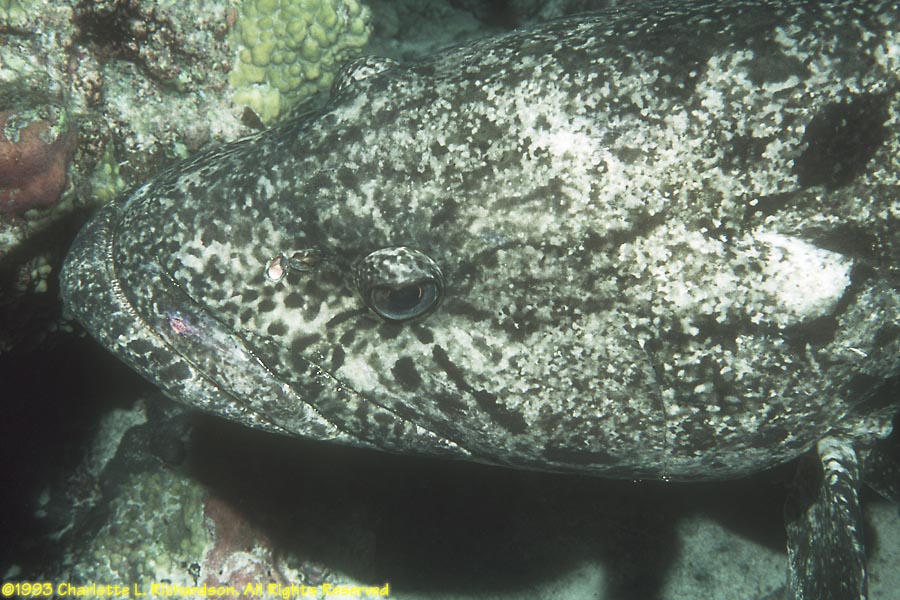
Malabar grouper, Epinephelus malabarius, with common cleaner wrasse, Labroides dimidiatus
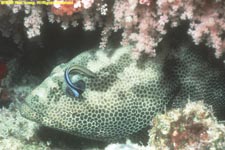
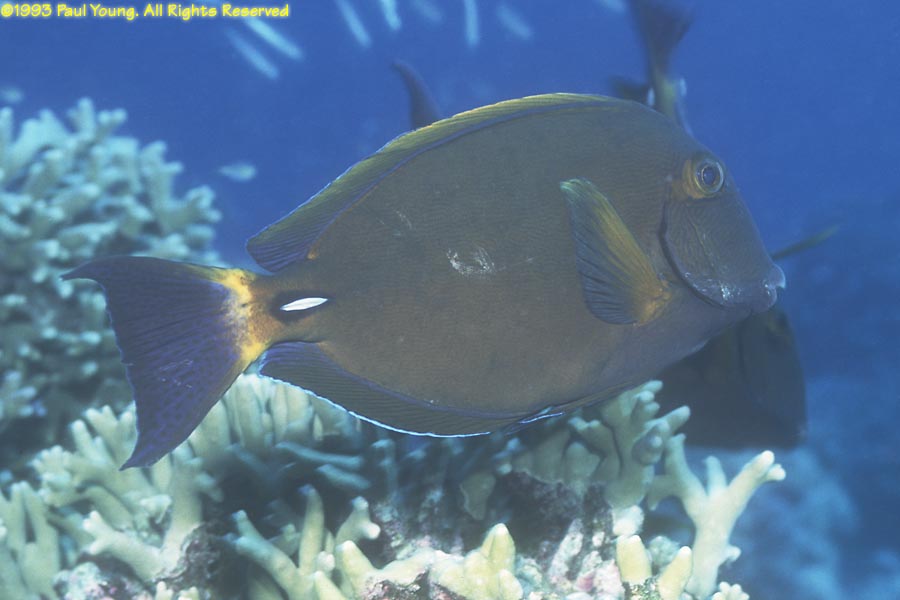
Surgeonfish, Acanthurus sp.
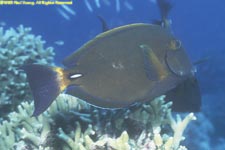
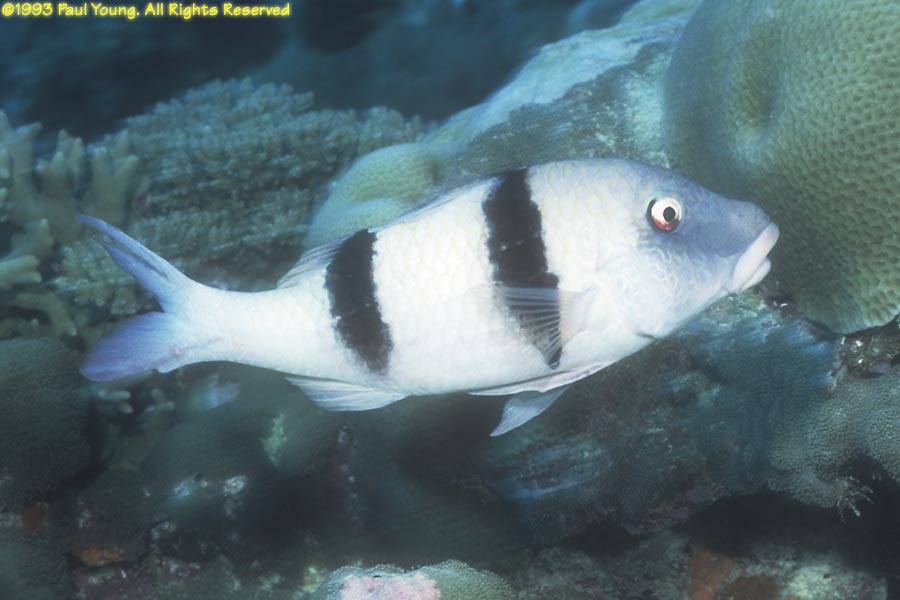
Indian doublebar goatfish, Parupeneus trifasciatus
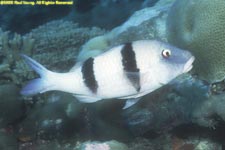
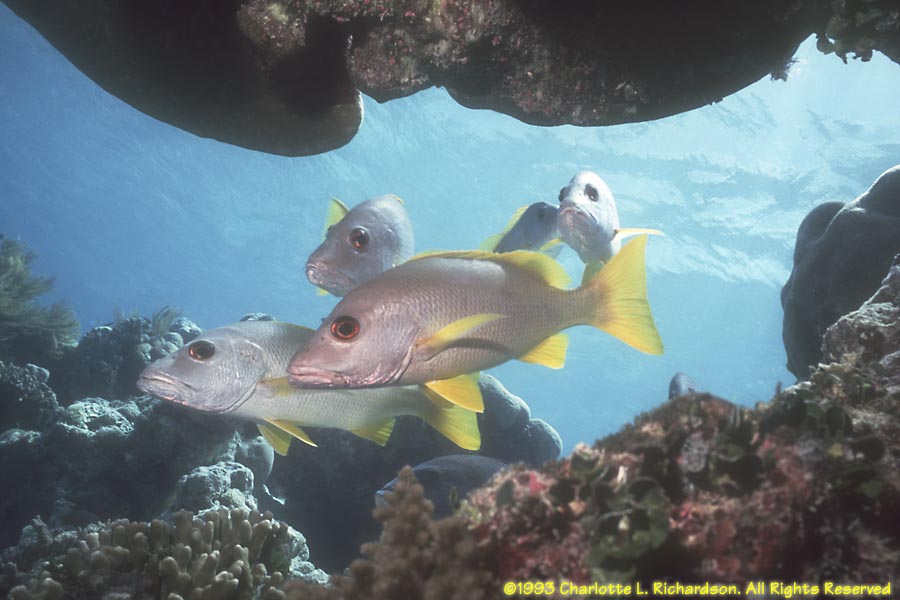
One-spot snapper, Lutjanus monostigma
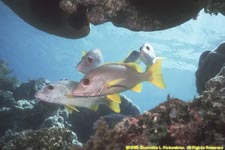
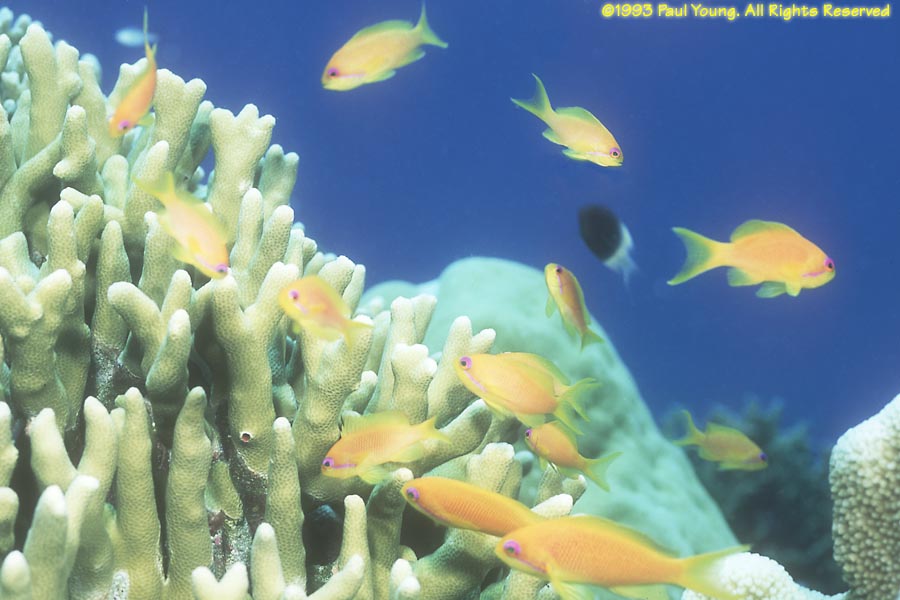
Jewel fairy basslet, Pseudanthias squamipinnis
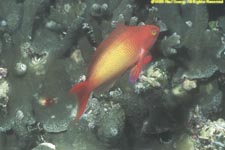
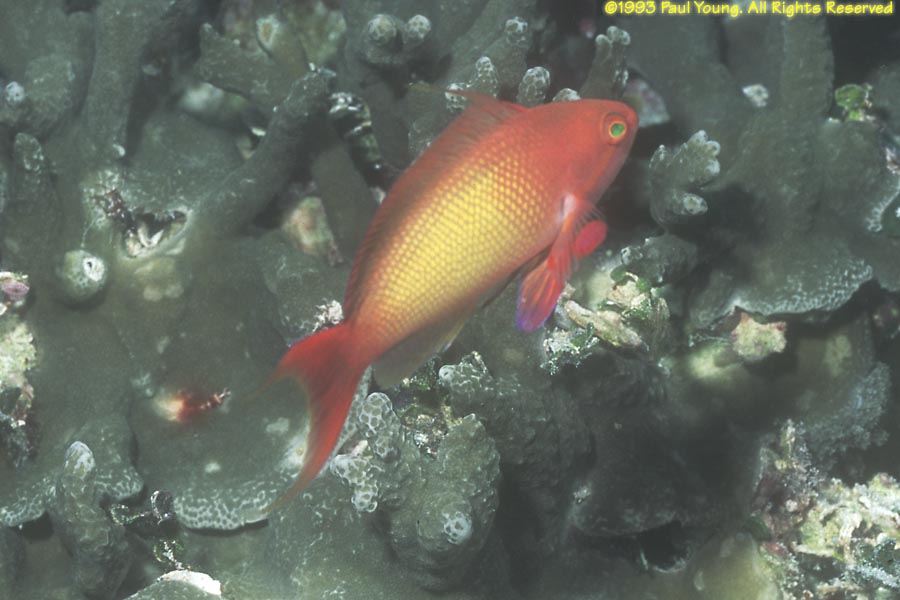
Marcia's fairy basslet, Pseudanthias marcia
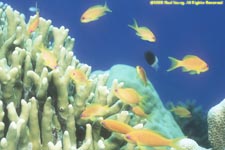
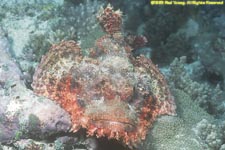
Flathead scorpionfish, Scorpaenopsis oxycephalus
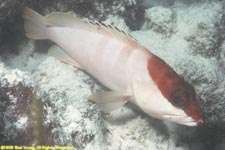
Blacktip grouper, Epinephelus fasciatus
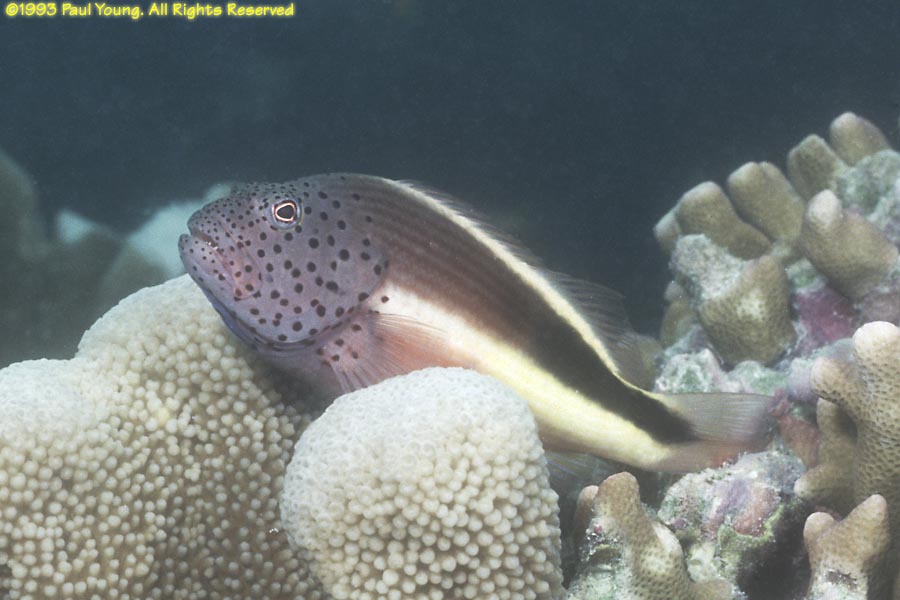
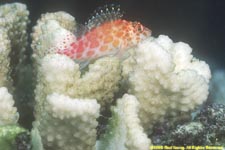
Forster's hawkfish, Paracirrhites forsteri
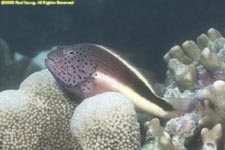
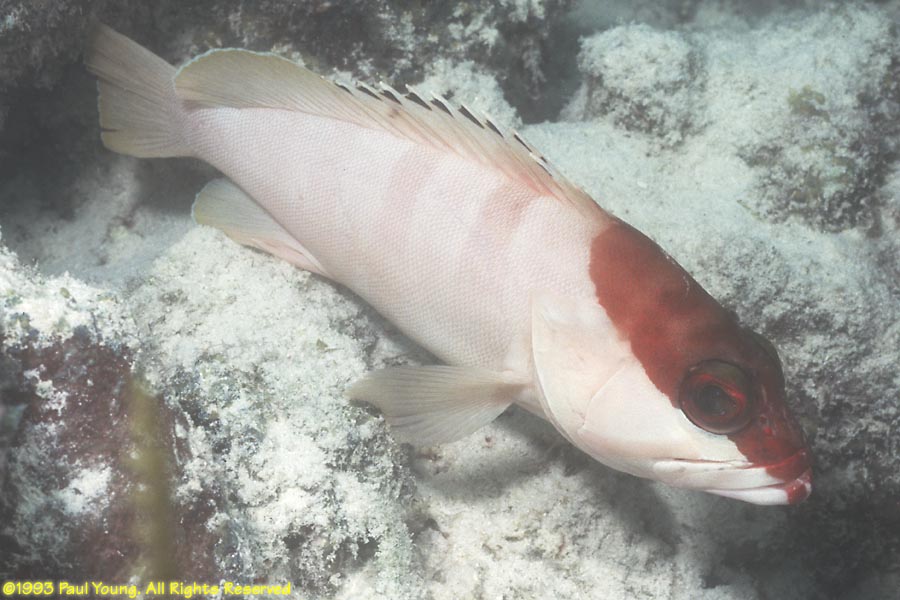
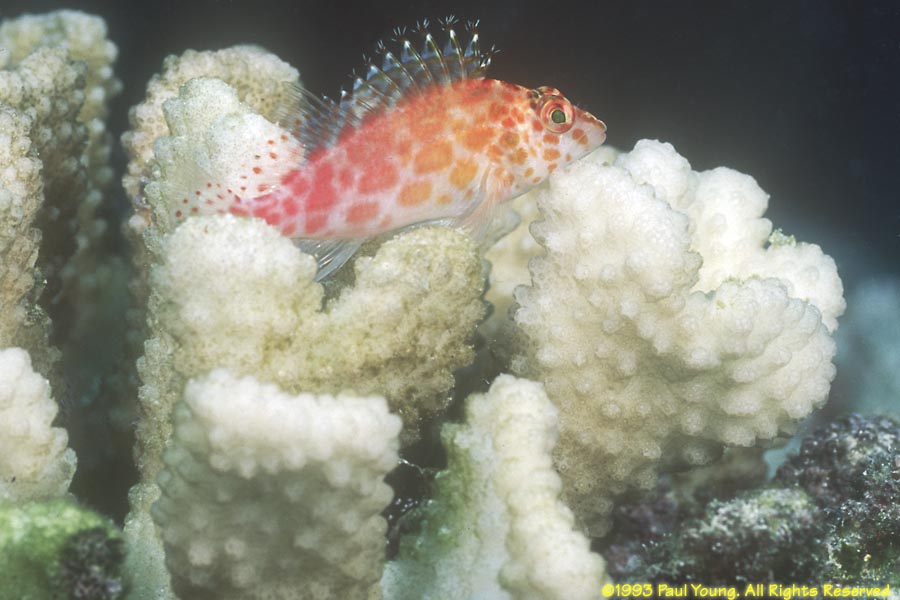
Blotched hawkfish, Cirrhitichthys aprinus
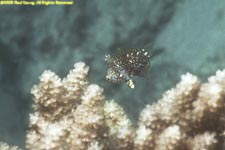
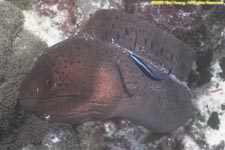
Common cleaner wrasse, Labroides dimidiatus, on giant moray, Gymnothorax javanicus
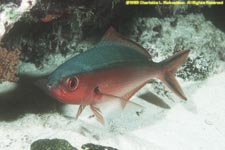
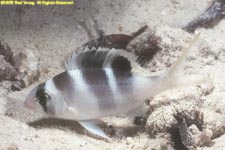
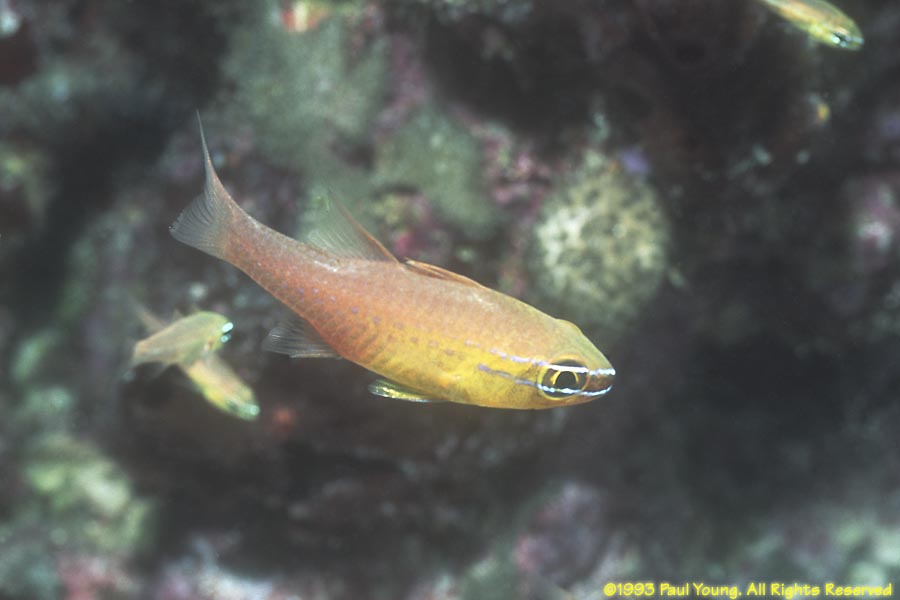
Cardinalfish, Apogon sp.
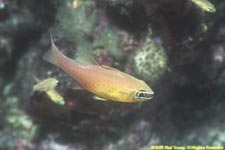
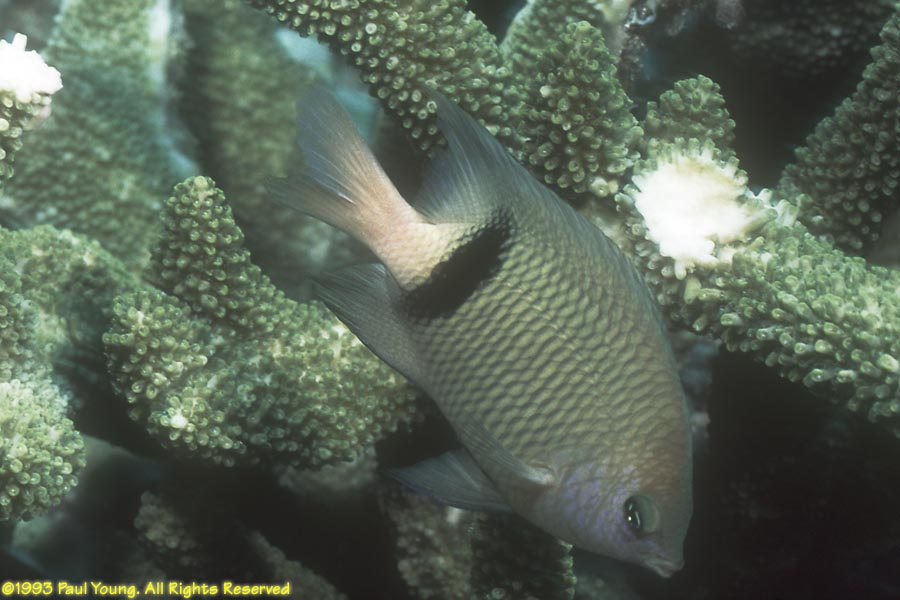
Damselfish
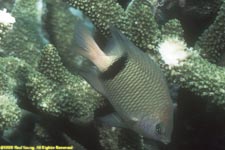
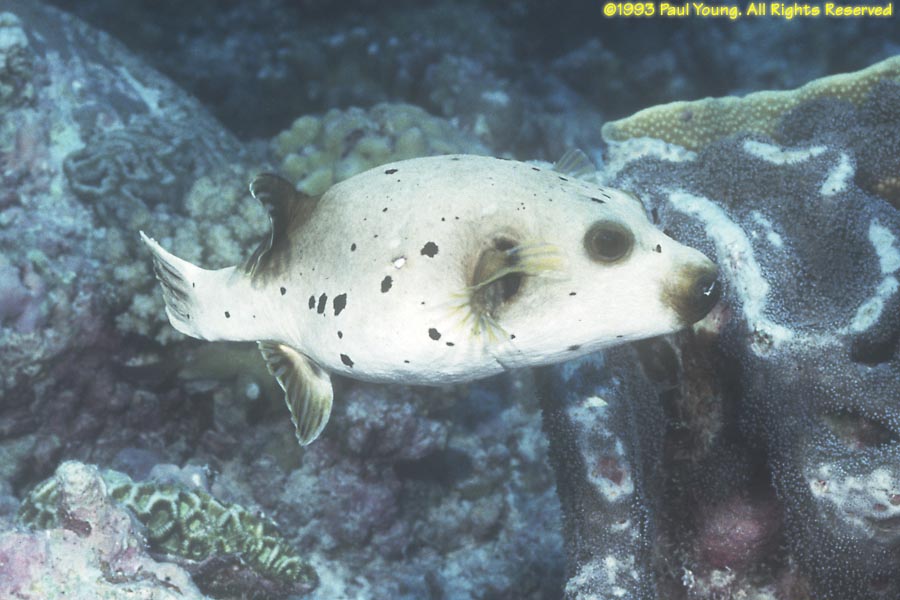
Puffer, Arothron sp.
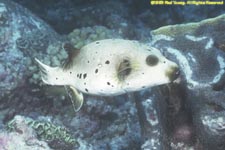
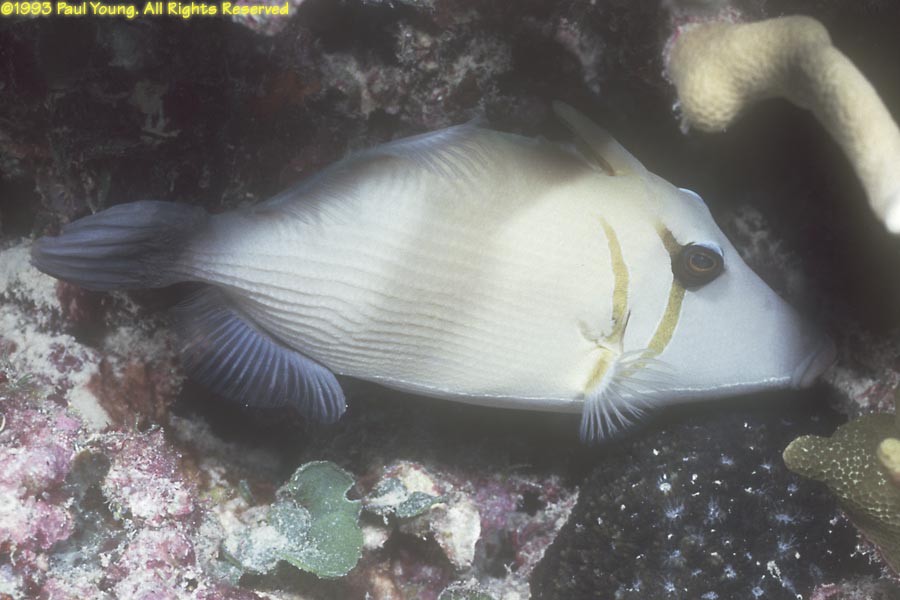
Scythe triggerfish, Sufflamen cf bursa
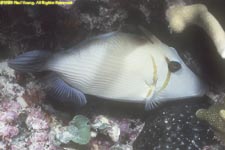
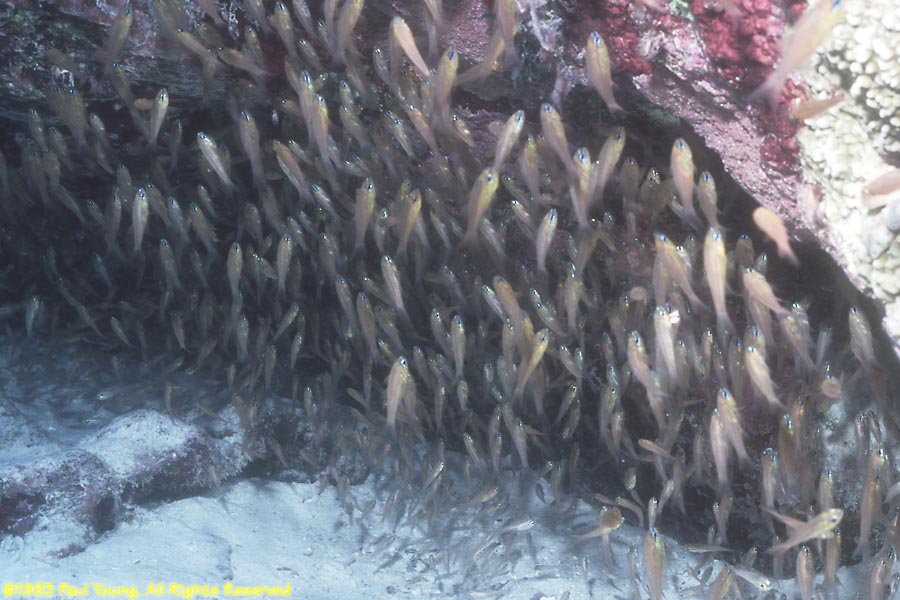
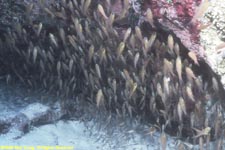
Yellow sweepers, Parapriacanthus ransonneti
Elegant phyllidia, Phyllidia elegans
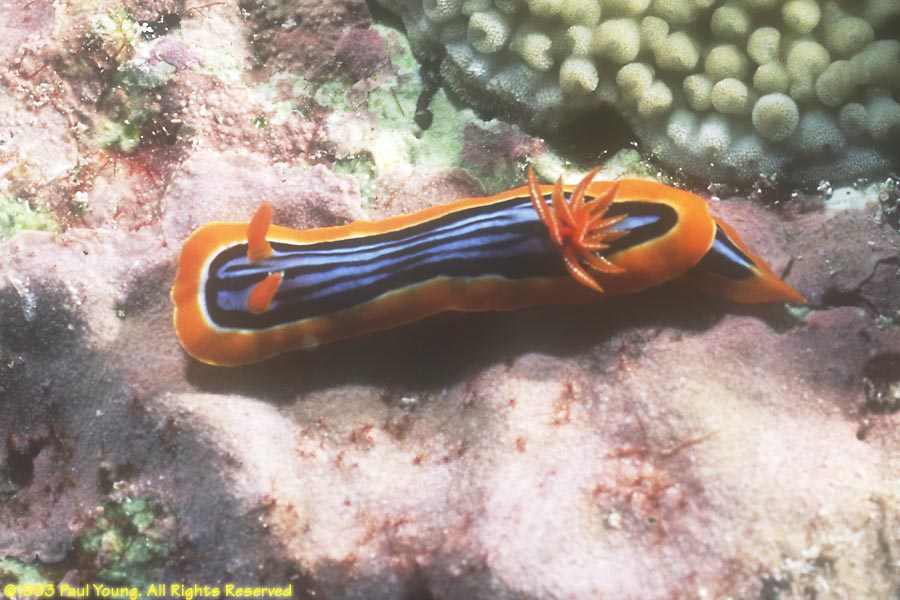
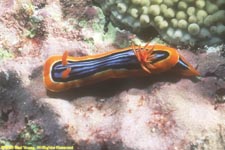
Pyjama slug, Chromodoris quadricolor
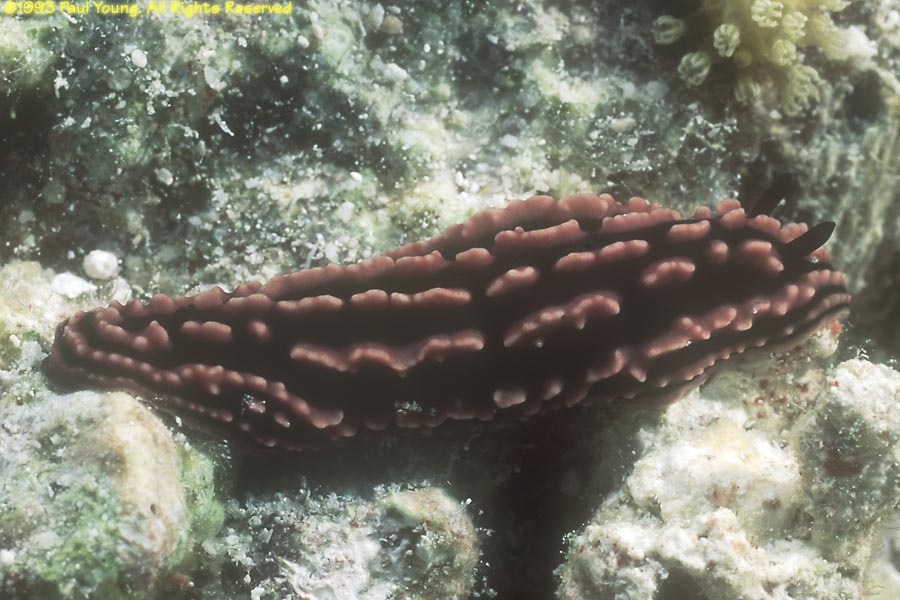
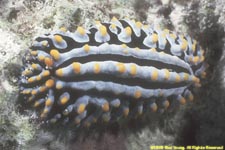
Varicose wart slug, Phyllidia varicosa
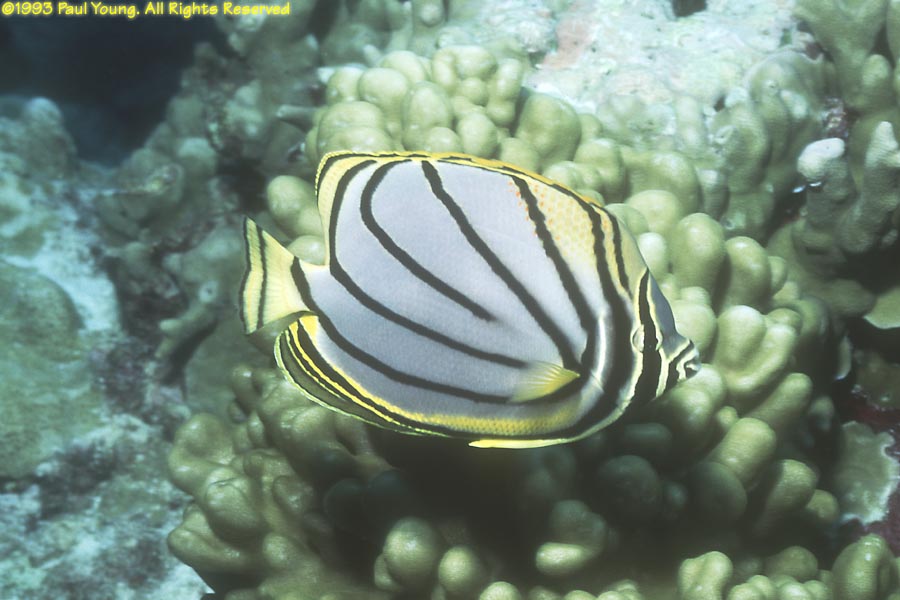
Meyer's butterflyfish, Chaetodon meyersi
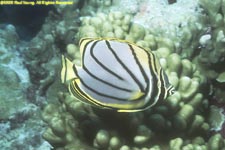
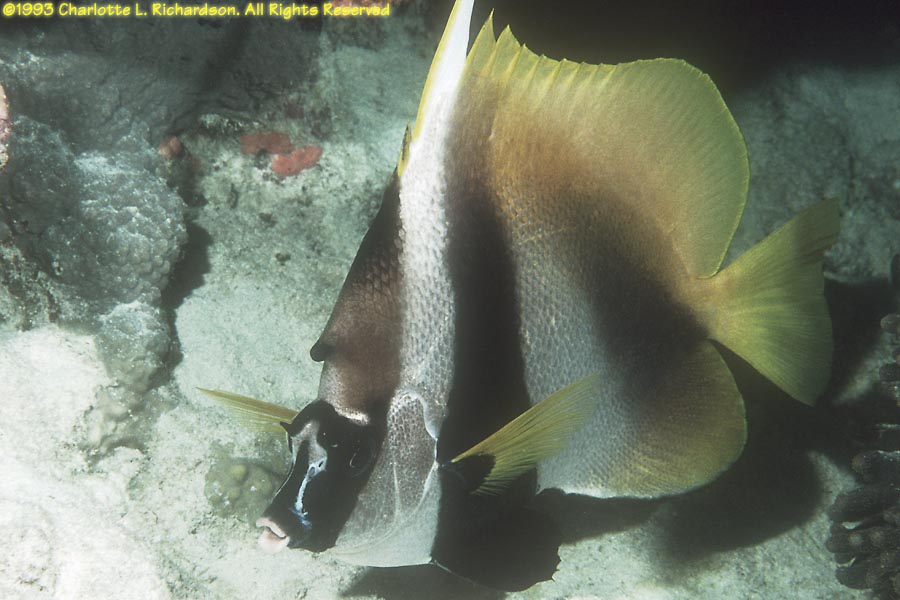
Phantom bannerfish, Heniochus pleuritaenia
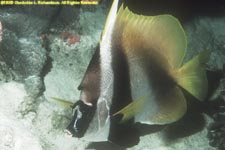
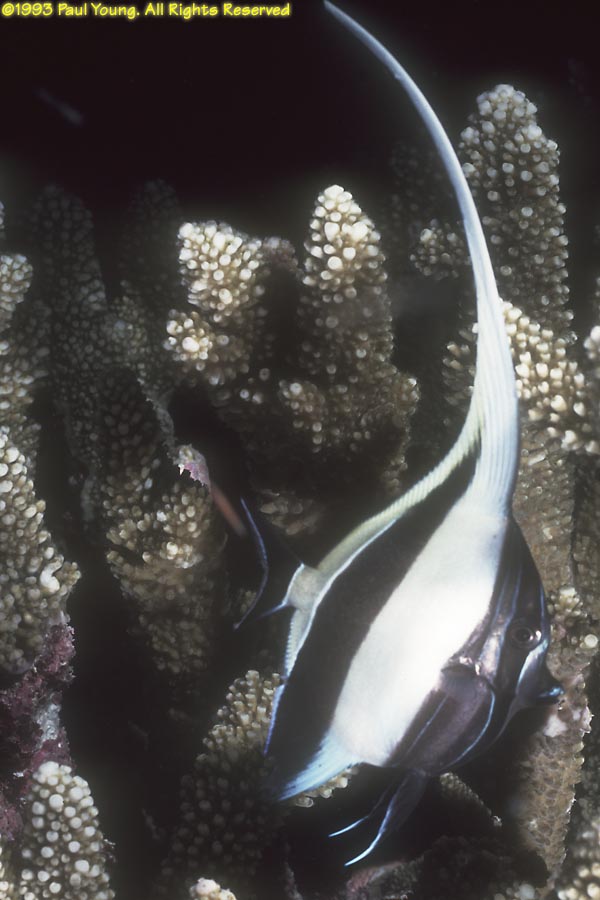
Moorish idol, Zanclus comutus
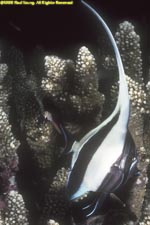
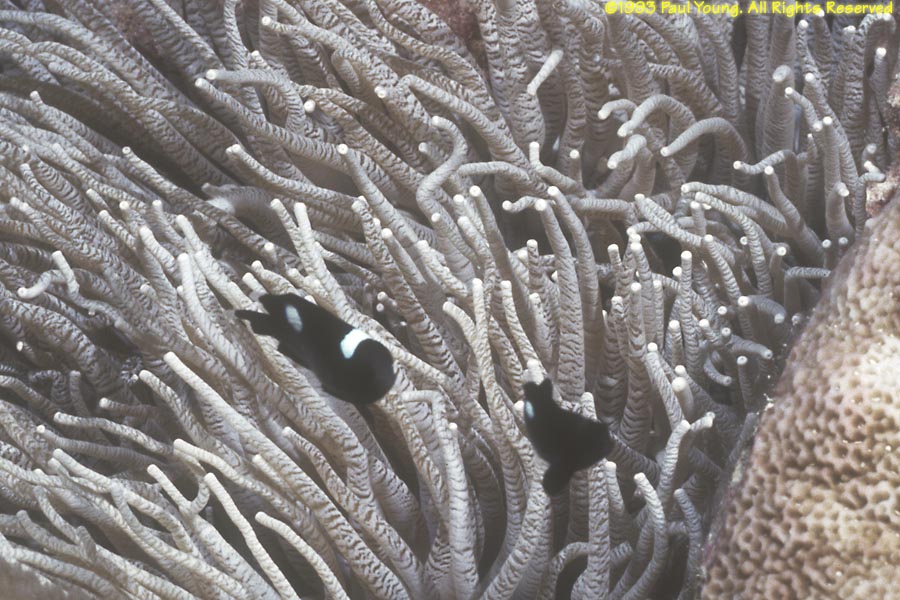
Clownfish
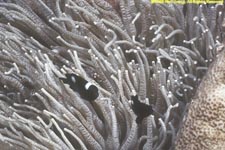
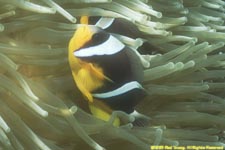
Northern Indian anemonefish, Amphiprion sebae
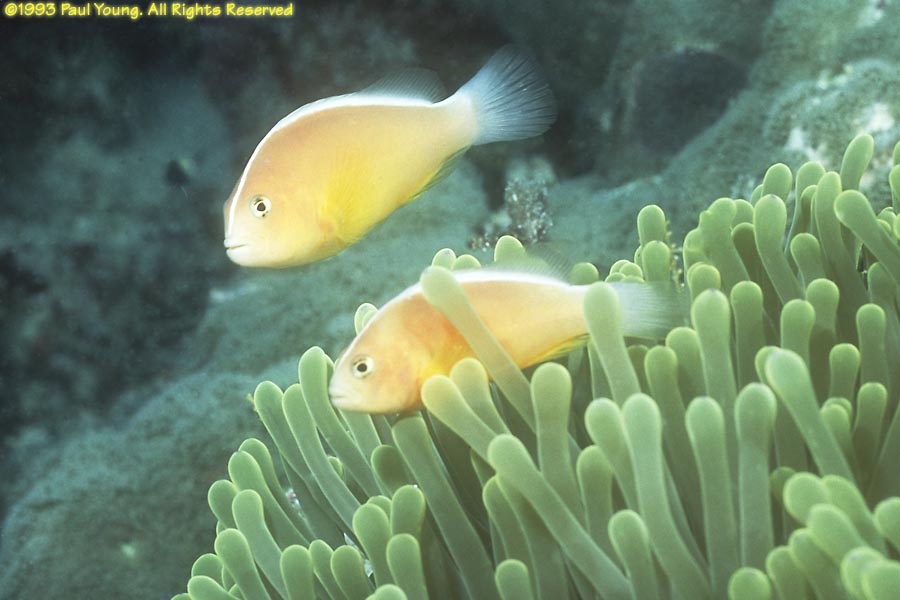
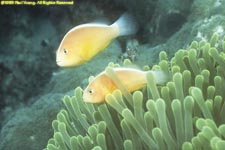
Skunk anemonefish, Amphiprion akallopsis
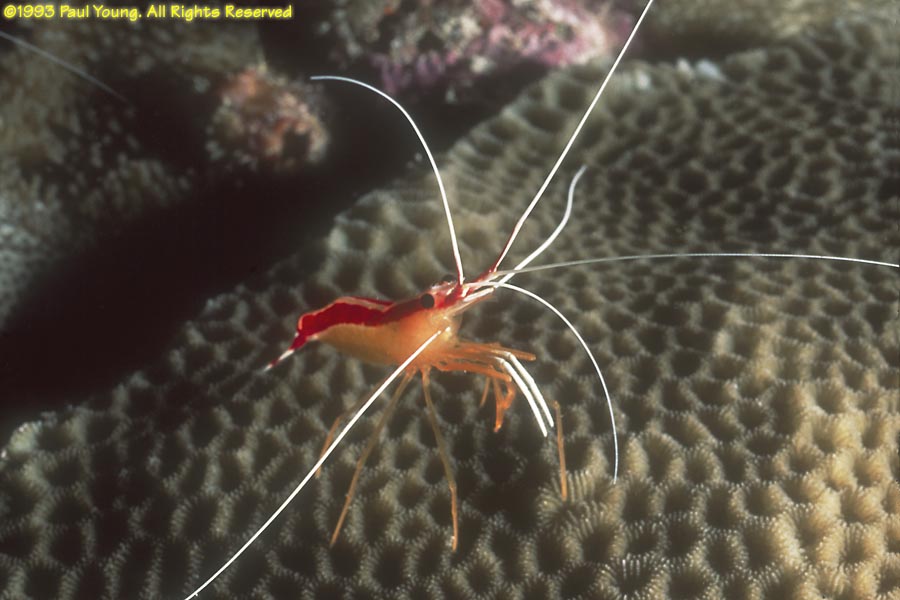
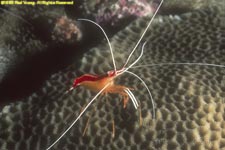
Cleaner shrimp
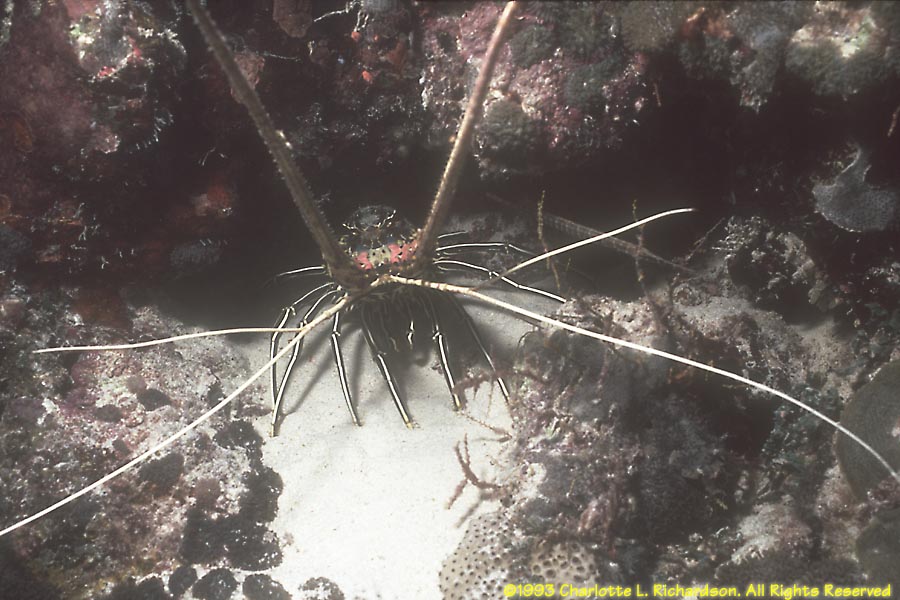
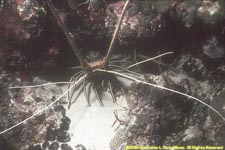
Painted spiny lobster, Panulirus versicolor
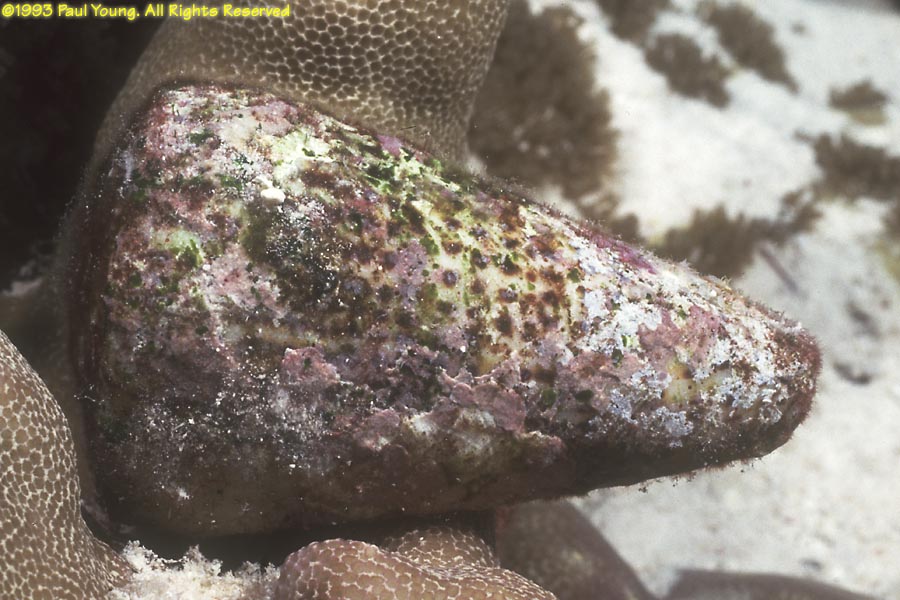
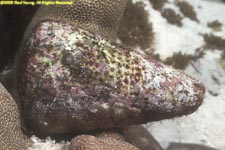
Cone shell
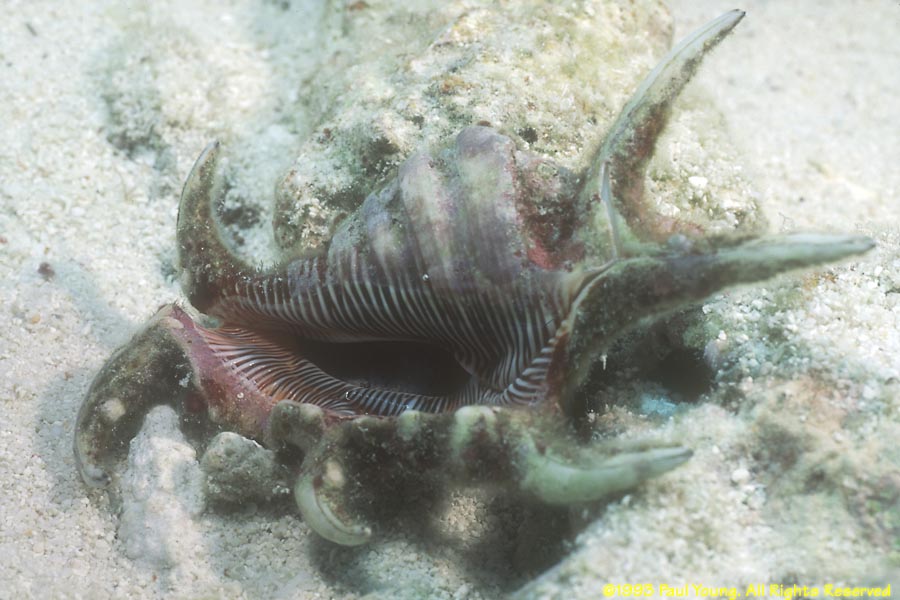
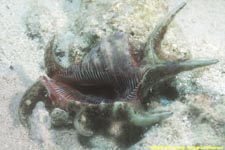
Comoros spider conch, Lambis lambis
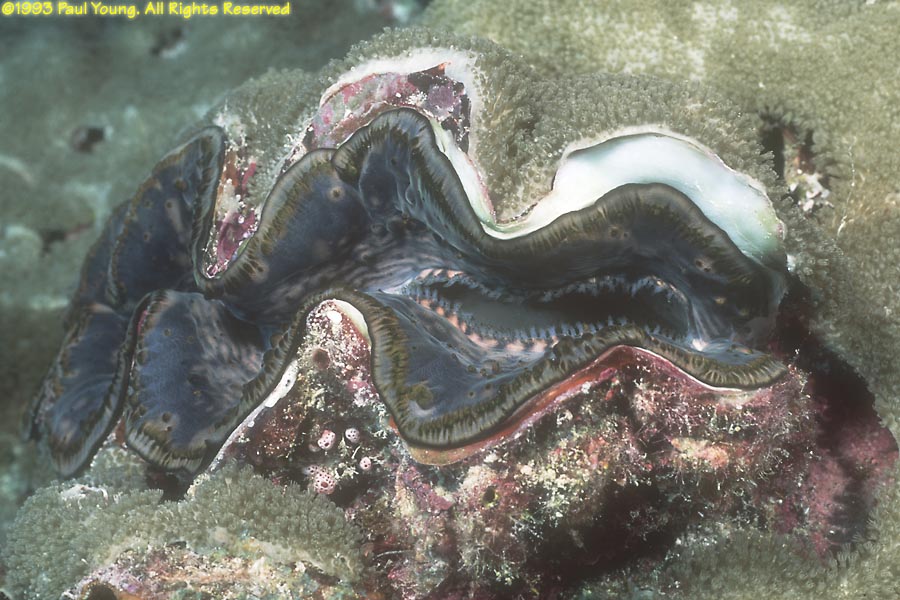
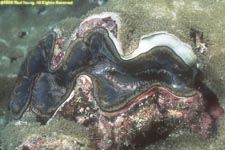
Giant clam, Tridacna gigas
Back to home page
©2009, 2014, 2016, 2017, 2018, 2019 Mermaid Underwater Photographic. All Rights Reserved.
Contact us at mermaid@underwater.org.
Last modified 5 November 2019